Why a 4.7 can beat a perfect 5.0
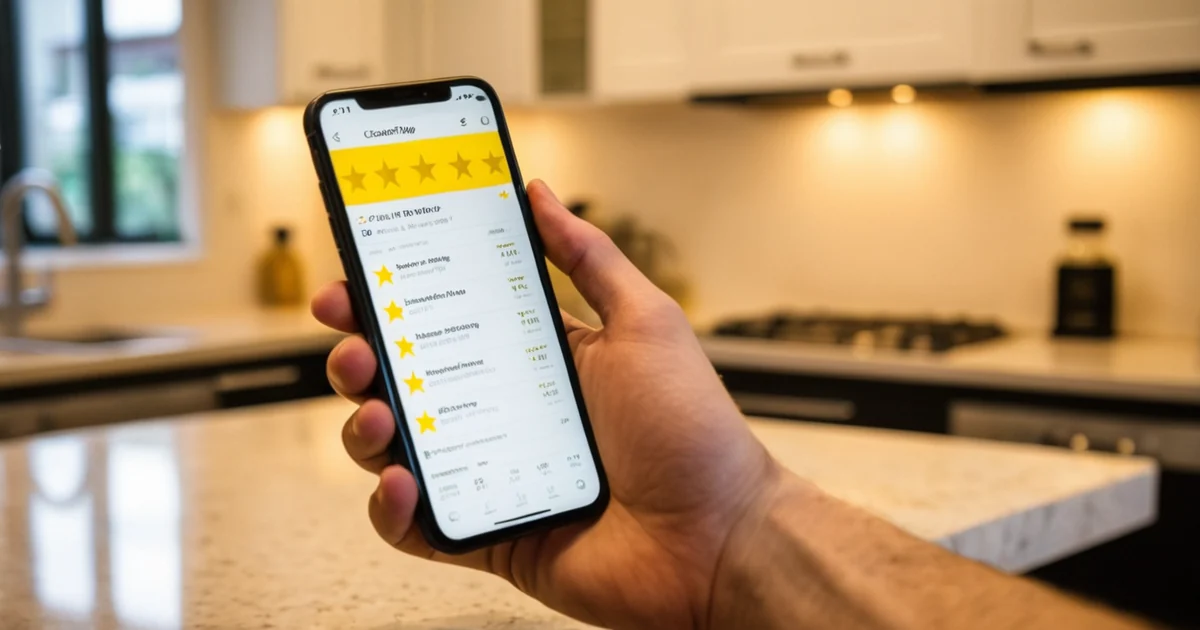
Two plumbers. One has a perfect 5.0 from six reviews. The other has a 4.7 from 340. Which one do you call?
Most people's gut says the 5.0. It's worth slowing down. The 4.7 has been tested hundreds of times, and almost nobody does hundreds of jobs without a bad day. Six glowing reviews could be six great jobs. They could also be friends and family, or a business that opened this spring.
Count first, then stars
A rating means more when more people stand behind it. That's why this directory doesn't simply sort by stars: each rating is weighed by how many reviews back it up, so a handful of perfect scores doesn't automatically jump ahead of a long, steady record.
Read the bad reviews, and the replies
The one- and two-star reviews are often the most useful ones on the page. Look for patterns. Is it the same complaint again and again, like missed appointments or surprise charges? Or a few scattered bad experiences?
Then read how the owner answered. A calm reply that explains what happened and offers to make it right shows how they'll treat you if something goes wrong. A defensive reply, or no reply at all, shows that too.
Look for specifics and dates
- Specific beats enthusiastic. "Showed up at 8 as promised, found the leak behind the dishwasher, cleaned up after" is worth ten reviews that just say "Great service!!"
- Recent beats old. Companies change owners, crews and standards. What did customers say this year?
- Your kind of job. A great review for a faucet swap tells you little about replumbing a house.
A question for you
When you read reviews, what makes you trust one and what makes you skip it? Share your rules of thumb in the Gwinnett Home Services Facebook group. Business owners, we'd like your side too: what do you wish customers understood about reviews?